


Feedback plays a powerful role in communication because it helps people understand what works and what needs attention. We use feedback every day, whether we notice it or not. If you ever said, the presentation felt a bit long, you already shared feedback. Above all, good feedback improves clarity and reduces confusion in any workplace.
Despite its importance, many people still struggle to give or receive feedback. So let us explore the essential principles and simple guidelines that make feedback effective and easy to follow.
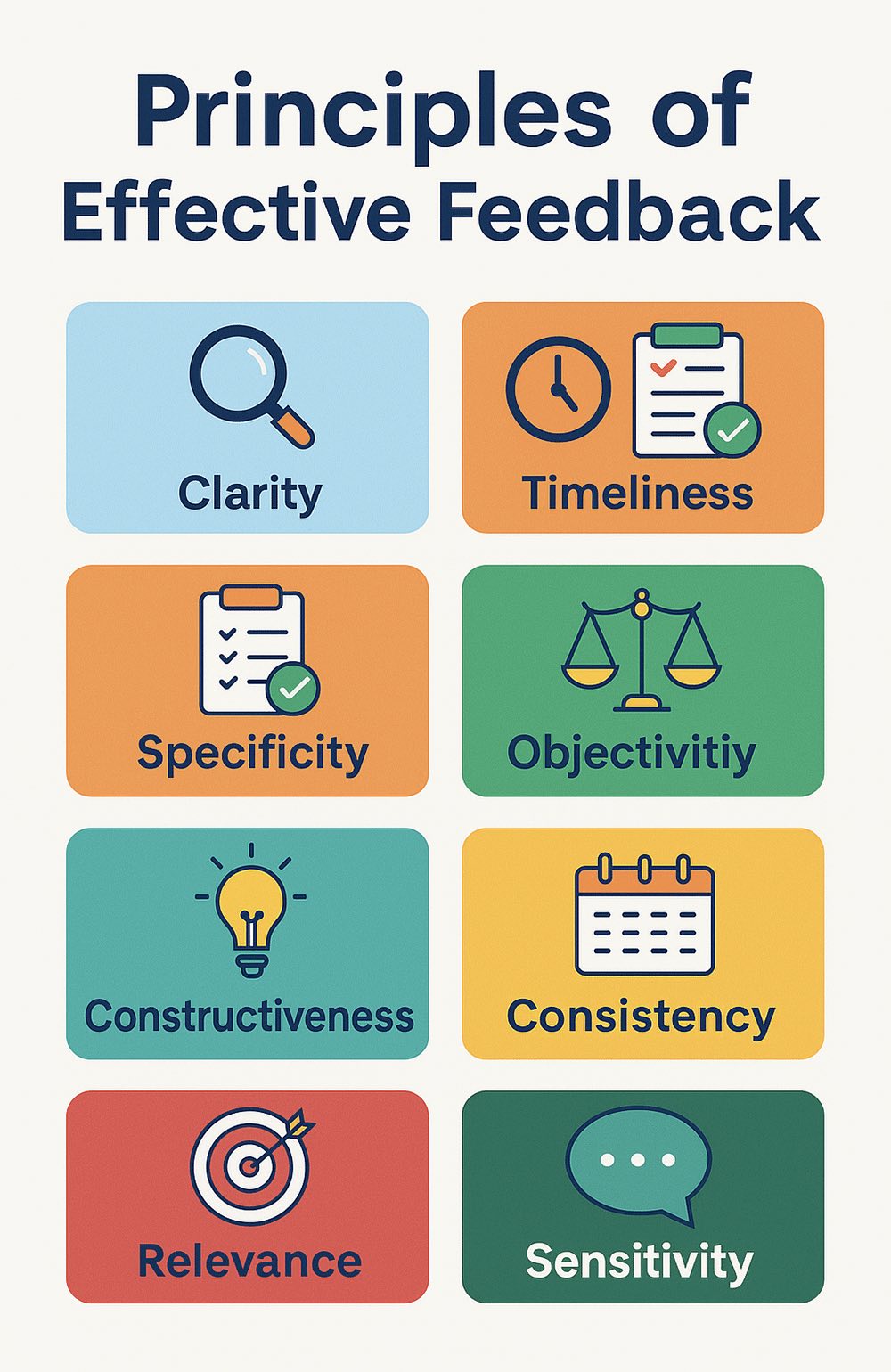
Principles of Effective Feedback
Clarity
Clear feedback feels like a clean window. You can see exactly what the message means. When feedback becomes vague, people guess instead of understanding. For better clarity in overall communication, you can explore this helpful guide on effective communication skills. Clarity leads to faster improvement and fewer misunderstandings.
Timeliness
Timely feedback creates greater impact. Imagine getting feedback months after completing a task. It loses value. Instead, when feedback arrives shortly after the event, people can correct mistakes with confidence. Timeliness also shows respect for the receiver’s effort.
Specificity
Specific feedback guides people more effectively. Rather than saying, improve your communication, you can say, your meeting explanation felt too long, shorten it for better engagement. Specific advice removes confusion. If you want to learn more about communication in different formats, you may check this guide on types of communication.
Objectivity
Feedback should stay free from personal emotion. When you focus on behavior instead of personality, people feel respected. Instead of saying, you are careless, try saying, the report had missing figures, correct them before submission. Objectivity keeps communication professional.
Constructiveness
Constructive feedback helps people grow instead of feeling discouraged. It highlights problems alongside solutions. For example, instead of saying, your slides were weak, you can say, your slides will feel stronger if you add one real example. Constructive comments keep motivation high.
Relevance
Feedback must stay relevant to the task. Irrelevant comments slow progress. When feedback remains tied to goals or responsibilities, people stay focused. Relevance saves time and reduces frustration in team projects.
Consistency
Consistency builds trust. When expectations change daily, communication becomes confusing. A consistent approach to feedback helps everyone understand what quality looks like. Consistency also strengthens a long term communication culture in organizations.
Sensitivity
Feedback becomes easier to receive when delivered with sensitivity. Tone, place and timing matter. Sensitive feedback feels respectful. This principle becomes especially important in diverse teams where communication habits differ. Sensitivity reduces stress and improves cooperation.
Guidelines for Giving Effective Feedback
Prepare Before You Speak
Preparation helps you stay confident and focused. Think about your purpose. Do you want to improve performance or correct a mistake Preparation also prevents unnecessary confusion during the conversation.
Select the Right Communication Channel
Some feedback works best during face to face discussion. Others are fine through email. However, sensitive issues should never be shared publicly. To understand channels better, you may explore this helpful resource on oral communication basics.
Use a Simple Structure
A structured approach reduces confusion. You can use the Situation Behavior Impact method or the Start Stop Continue method. Both help you express ideas clearly. Structured feedback feels more professional and easier to understand.
Encourage a Two Way Conversation
Feedback should not feel like a lecture. Encourage the receiver to ask questions. A two way conversation builds trust. It also helps both sides understand the message clearly. Dialogue keeps the communication balanced and friendly.
Focus on Actions, Not Attitudes
Actions can change, but personality cannot. So always point to the behavior that needs improvement. For example, instead of saying, be more positive, try saying, your voice sounded flat, add more energy next time. Behavioral feedback feels fair.
Offer Actionable Suggestions
If you highlight a problem, you should also suggest a solution. Actionable advice reduces stress. It helps the receiver move forward with confidence. People appreciate guidance that feels practical and achievable.
Maintain Confidentiality When Needed
Some feedback topics require privacy. Sharing them in front of others damages trust. Confidential feedback supports a healthy communication culture. It also encourages people to seek guidance when needed.
Balance Positive and Corrective Comments
Balance increases acceptance. If feedback feels overly negative, people stop listening. When you mix appreciation with improvement suggestions, it keeps motivation high. To explore more ideas on balanced communication, you may check this guide on two way communication.
Guidelines for Receiving Feedback
Listen Without Interrupting
Interrupting creates tension. Instead, listen fully. You may hear something helpful. Listening calmly shows professionalism and maturity.
Control Emotional Reactions
Feedback can feel uncomfortable. However, emotional reactions make things harder. Take a breath and stay open. Nevertheless, ask questions later if something feels unclear.
Ask for Clarification
Clarifying questions prevent misunderstanding. Questions like, can you share an example or, what should I do next help you understand the message correctly.
Reflect and Take Action
Feedback becomes valuable only when you apply it. Reflection helps you identify the next steps. A thoughtful response builds your credibility as a communicator.
Feedback in the Modern Workplace
Workplaces are changing every year. Remote and hybrid teams depend on digital tools to share quick comments. Continuous feedback is replacing yearly reviews in many organizations. If you want to improve communication during online meetings, you may explore this resource on virtual meeting best practices. Modern feedback encourages collaboration regardless of distance.
Common Mistakes to Avoid
Avoid exaggeration or emotional language. Avoid giving too many points at once. Instead, keep your message simple. People remember short and focused comments more easily. Mistakes are normal, however learning from them improves your communication skills.
Conclusion
Feedback supports growth, teamwork and understanding. When you combine clarity, specificity, respect and the right timing, feedback becomes a powerful communication tool. Use these principles and guidelines to build stronger relationships and better performance in any environment.
Frequently asked questions
Should I give feedback immediately or wait for the right moment?
Give feedback as soon as practical after the event. Timely feedback has greater impact and helps people correct mistakes while the situation is fresh. However, avoid delivering it in the heat of emotion or in front of others. Choose a calm moment and private setting when possible. This balance respects both the timeliness principle and the receiver’s dignity.
What if someone gets defensive when I offer constructive feedback?
Stay calm and refocus on the behavior, not the person. Say something like, I’m sharing this to help you improve, not to criticize you. Ask them to take time to process it. Defensive reactions often fade once emotions settle. Follow up later to see if they have questions. Remember that sensitivity and two-way dialogue reduce defensiveness over time.
Can I give critical feedback over email, or must it be face-to-face?
Sensitive or critical feedback belongs in a conversation, not email. Face-to-face or video allows tone and intent to come through clearly, reducing misunderstanding. Email works for straightforward, factual feedback. If you must use email for something important, follow up with a conversation to ensure the message landed well and answer any questions.
How do I give feedback to someone senior to me without seeming disrespectful?
Frame it as an observation, not criticism. Use respectful language and ask permission first: May I share an observation? Focus on facts and outcomes rather than judgment. Keep it brief and private. For example: I noticed the report deadline shifted twice this week, which created confusion for the team. Would it help to confirm dates earlier? Respect and clarity matter most.
What should I do if feedback I received seems unfair or inaccurate?
Ask clarifying questions to understand their perspective fully. Say, Can you give me a specific example? This helps you see if there’s a real issue or a misunderstanding. If you still disagree, respond calmly: I see your point, but here’s what I experienced. Avoid arguing. If the feedback feels consistently off, discuss it with a trusted mentor or manager later.